
Visual artistry
Capturing light and emotion through the photographic medium

Every shutter click preserves a fleeting moment, crafting reality into a visual narrative that expresses an artistic vision.


Essential camera systems and sensors
Digital capture
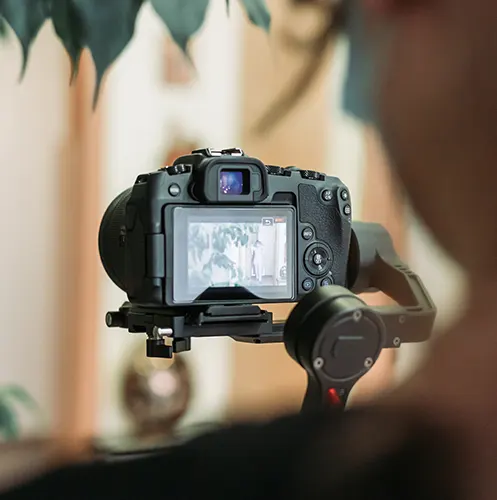
Understanding focal length dynamics
Wide-angle lenses expand perspective while prime telephotos compress distance.
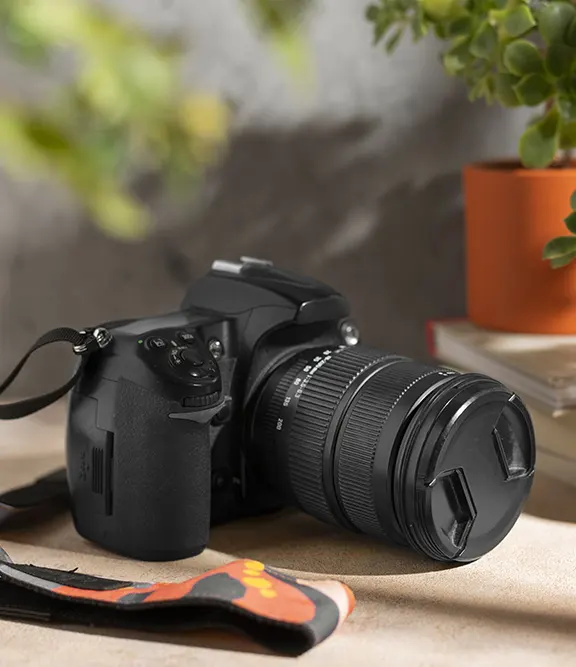
Choosing between mirrorless and DSLR
Modern mirrorless bodies offer ergonomic and autofocus advantages.

Lighting tools and stabilization gear
Studio and location control
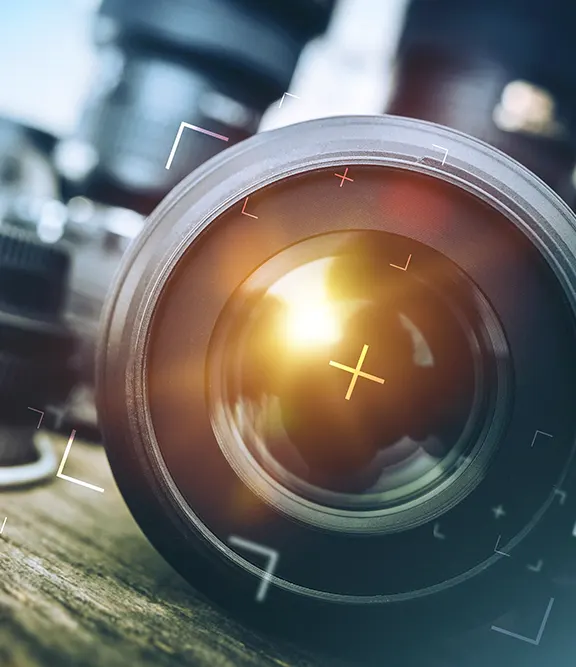
Optical precision and lens selection
Prime vs. zoom lens quality
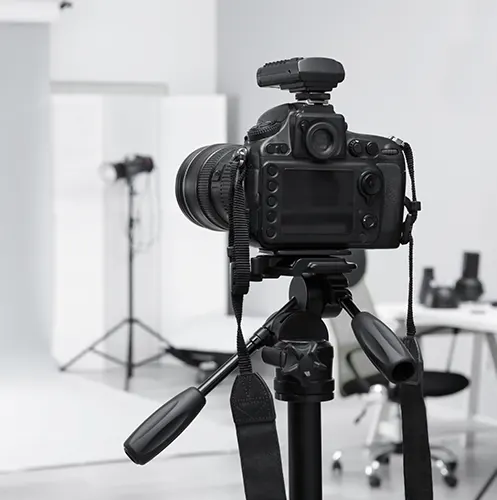
Tripods and artificial illumination
Stability from a carbon fiber tripod ensures sharpness during long exposures or for bracketed shots.
Technical mastery
Mastering the exposure triangle dynamics
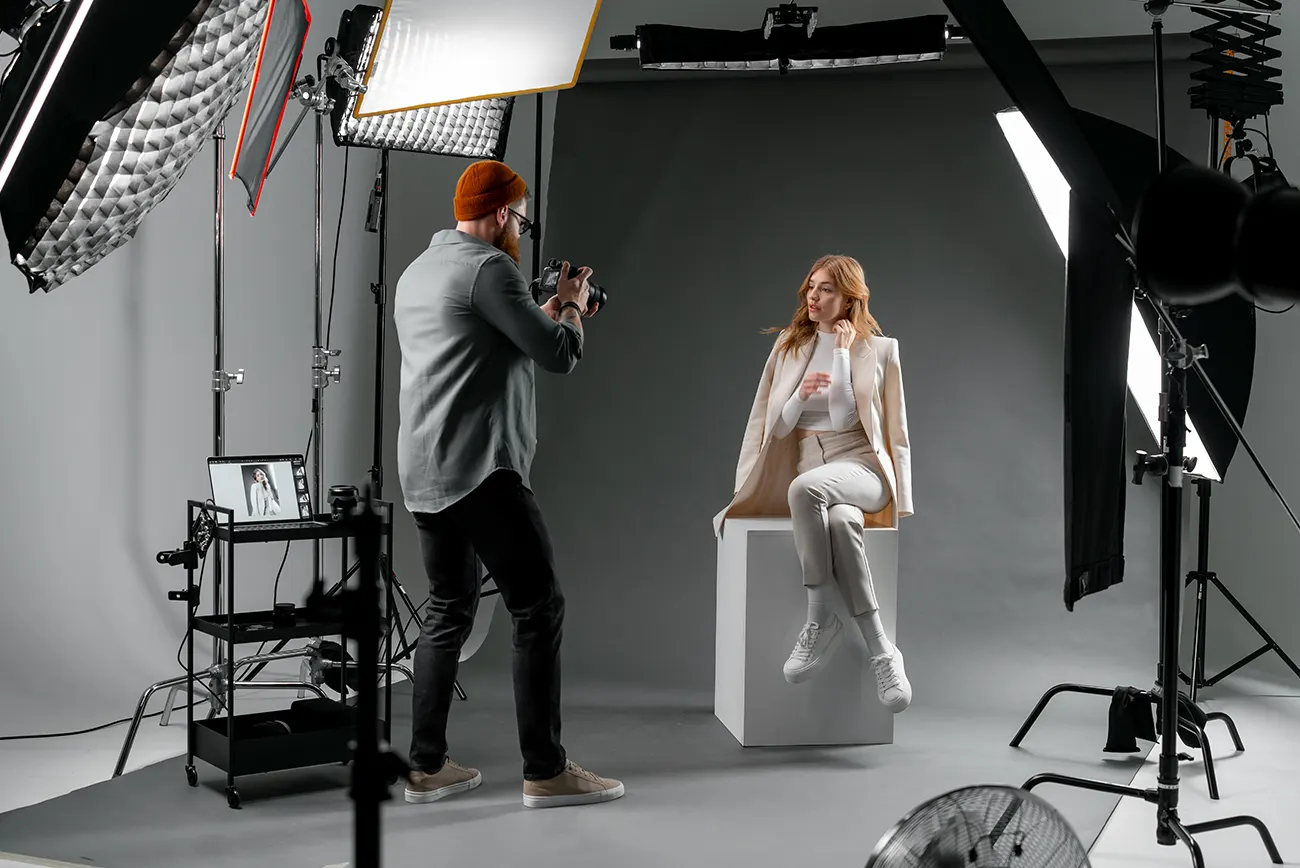
Balancing light in manual mode demands manipulating three core variables for creative effect. Each adjustment impacts the others, requiring photographers to make calculated decisions about available light and artistic intent, gaining full creative control over the final image.

Controlling aperture depth of field
Wide apertures isolate subjects by creating a pleasing background blur, or bokeh.

Managing shutter speed and motion
Fast speeds freeze action while slower settings convey movement.

Optimizing ISO sensitivity levels
Higher values brighten dark scenes but introduce digital noise.
Creative styles
Exploring diverse photographic genres


Historical context
Evolution from chemistry to digital
Early pioneers trapped light on silver-coated plates, requiring minutes of stillness. This chemical alchemy evolved into flexible celluloid film, democratizing the medium and allowing artists to capture life in motion for the first time.
The digital revolution replaced grain with pixels, offering instant feedback. Today, high-resolution sensors and powerful image processors allow for unprecedented creative control, though the principles of light and composition remain unchanged from the analog era.
Artistic growth
Refining the photographic eye
Creating a compelling image transcends technical settings; it requires understanding compositional rules. Placing subjects off-center with the rule of thirds creates tension, while leading lines guide the viewer’s gaze towards a strong focal point.

Balancing elements for harmony

Utilizing negative space effectively

Finding unique vantage points

Visual practice
Enhancing the digital negative
Enhancing the digital negative refers to the essential stage in digital photography where the raw image is refined before its final rendering. This process includes adjustments such as exposure correction, white balance, contrast, and subtle sharpening in order to bring out hidden details and improve overall balance. Working on the digital negative allows photographers to recover information in shadows and highlights while maintaining a natural and realistic look. It is both a technical and creative step, helping to correct imperfections from capture while shaping the mood and clarity of the image. This stage acts as a bridge between the raw file and the final visual result, ensuring both accuracy and artistic intent.